Have you ever noticed a small white line at the edge of your nail that snags on your sweater? You might try rubbing it against your jeans to ignore it, but then you hear that quiet crack. Your nail splits again. Sometimes it peels away in thin layers. Other times, it breaks so far back that it hurts when you wash your hands. You grab the nail clippers and wonder why your nails keep doing this. You might even wonder if there is a way to fix this problem.
Understanding the Subtle Messages Your Nails Send About Their Condition
Before diving into remedies, it’s important to see your nails as indicators rather than decorations. Nails are primarily made of keratin, the same protein found in your hair and skin’s outer layer. When nails become soft or break easily, they are not just problematic, but they’re communicating information about your daily routines and environment. They might be a sign of dehydration, nutritional deficiencies, exposure to harsh chemicals, or lack of care due to your habits. Pay attention to the condition of your nails right now. Do they feel thin or flexible? Do they peel at the edges like flaking paint? Are there vertical ridges across the surface? These signs often point to areas like dehydration or poor nutrition. However, the good news is that nails respond well to better treatment. Though the change won’t happen overnight, over time, new growth will replace the old, damaged parts.
Building Nail Strength Naturally Through Diet and Daily Nourishment
Healthy nails begin with what you consume long before you apply any creams or oils. While your body doesn’t directly get keratin from food, it needs specific nutrients to produce it properly. Protein is the most crucial nutrient. Without enough protein, your body prioritizes essential organs and treats hair and nails as less important. Other key nutrients include biotin, iron, zinc, and omega-3 fats, which help create smooth, strong nails. Instead of simply listing these nutrients, here’s a simple plan to support nail health:
| Nutrient | Importance for Nails | Common Food Sources |
|---|---|---|
| Protein | Helps build and strengthen the nail structure | Eggs, kidney beans, fish, yogurt, tofu |
| Biotin (Vitamin B7) | Strengthens nails and prevents breakage | Egg yolk, nuts, seeds, sweet potatoes, oats |
| Iron | Improves blood circulation to the nail roots | Leafy greens, lentils, pumpkin seeds, red meat |
| Zinc | Supports nail growth and tissue repair | Pumpkin seeds, chickpeas, cashews, whole grains |
| Omega-3 Fatty Acids | Hydrates nails and skin | Flaxseeds, walnuts, chia seeds, salmon, sardines |
You don’t need a perfect diet. Just ensure you get enough of these nutrients regularly. Add a spoonful of chia seeds to your yogurt, toss pumpkin seeds into your salad, and enjoy lentil soup once or twice a week. Small daily changes will create new, stronger nail layers. Hydration also matters. Thin, brittle nails often appear on hands that are dehydrated. Drinking water consistently throughout the day will nourish the tiny cells in your nail matrix, where each new nail begins to form.
How Plant-Based Oils Restore Flexibility and Reduce Nail Damage
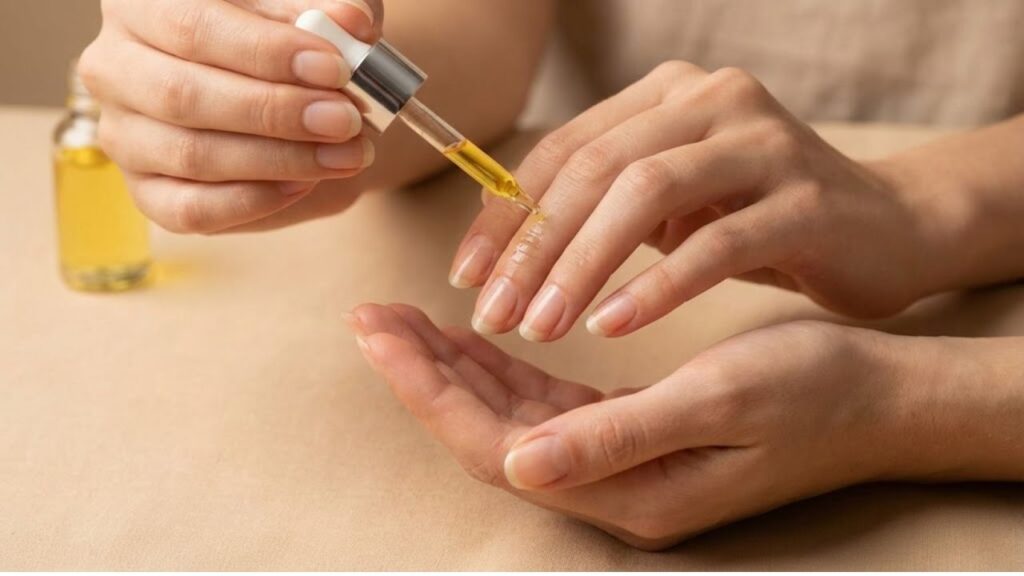
Moving on to surface treatments, a basic routine can be quite refreshing after a tiring day. Nails constantly exchange moisture with their surroundings. Hot water and harsh soaps strip moisture, while natural oils help seal it in. You don’t need expensive equipment; just oil, your hands, and a moment of focus. Jojoba oil absorbs quickly, softening nail layers, while sweet almond oil nourishes rough or dry nails and cuticles. Olive oil increases flexibility, reducing breaks. Coconut oil provides moisture and mild antimicrobial properties for cracked cuticles.
Warm several drops of oil between your fingers and massage it into each nail and cuticle using small circular movements. Apply this treatment daily or several times a week. For intensive care, soak your fingertips in warmed olive or almond oil for 10-15 minutes. Let your hands rest, then gently pat dry and leave the excess oil overnight. This simple method will gradually show visible results.
Everyday Nail-Safe Habits That Minimise Breaking and Splitting
Sometimes, the key to better nails isn’t about what you add, but what you stop doing. Everyday habits may unknowingly damage your nails. For instance, washing dishes without gloves, cleaning with harsh chemicals, or using your nails as tools all weaken the nail structure. To protect your nails:

- Wear gloves for dishwashing, cleaning, or gardening.
- Keep nails short to reduce snagging, bending, and breaking.
- File nails in one direction only, using a fine-grit file.
- Choose acetone-free polish removers and leave nails bare between manicures.
- Don’t cut your cuticles. Gently push them back after a warm shower and moisturize.
Gentle Herbal Soaks and Home Treatments That Support Nail Recovery
Simple herbal soaks and masks soften and nourish nails while supporting your body’s natural process. You can make a warm herbal soak using dried chamomile or a chamomile tea bag. Add a splash of olive oil and a few drops of lavender oil for added benefits. Soak your fingertips for 10-15 minutes, allowing the oils to hydrate and improve circulation to your nails.
Lemon, with its mild acidity, can brighten yellowed nails, but use it cautiously as it can dry them out. Mix a few drops of lemon juice with olive oil, massage it into your nails for a few minutes, then rinse and apply pure oil. Garlic is another traditional remedy, as it contains sulfur compounds supporting keratin. You can also apply mashed avocado mixed with olive oil as a creamy paste to your nails for 10 minutes.
Warning Signs That Suggest Nail Problems Go Beyond Surface Care
If you notice persistent nail damage despite your best efforts, it might indicate underlying health issues beyond surface care. Conditions like fungal infections, severe nutrient deficiencies, or thyroid problems may require medical attention. If your nails show signs of deep cracks, discoloration, or pain, it’s essential to consult a healthcare professional for further advice.
Restoring Healthy, Confident Hands Through Consistent Natural Care
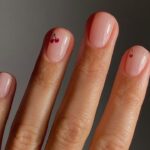
Over the next few weeks, pay attention to your hands. Notice how your cuticles respond to daily oil and how your nails stop snagging when you wear gloves. With better hydration, you’ll see how light reflects off your nail surface. Though nails grow slowly, the damage that’s present now came from habits weeks or months ago. What you do today helps form the new nail under your cuticle. Small, consistent steps will make a big difference. Healthy nails aren’t about quick fixes—they’re about steady, long-term care.